الطاقة الشمسية
1 / 5
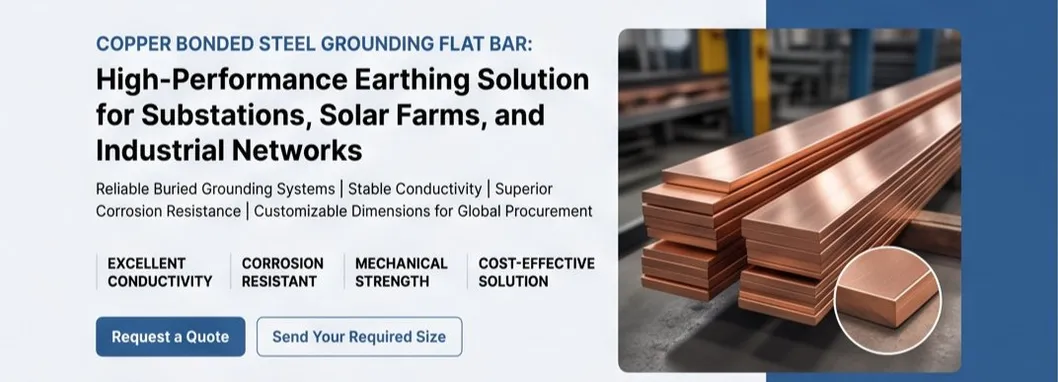
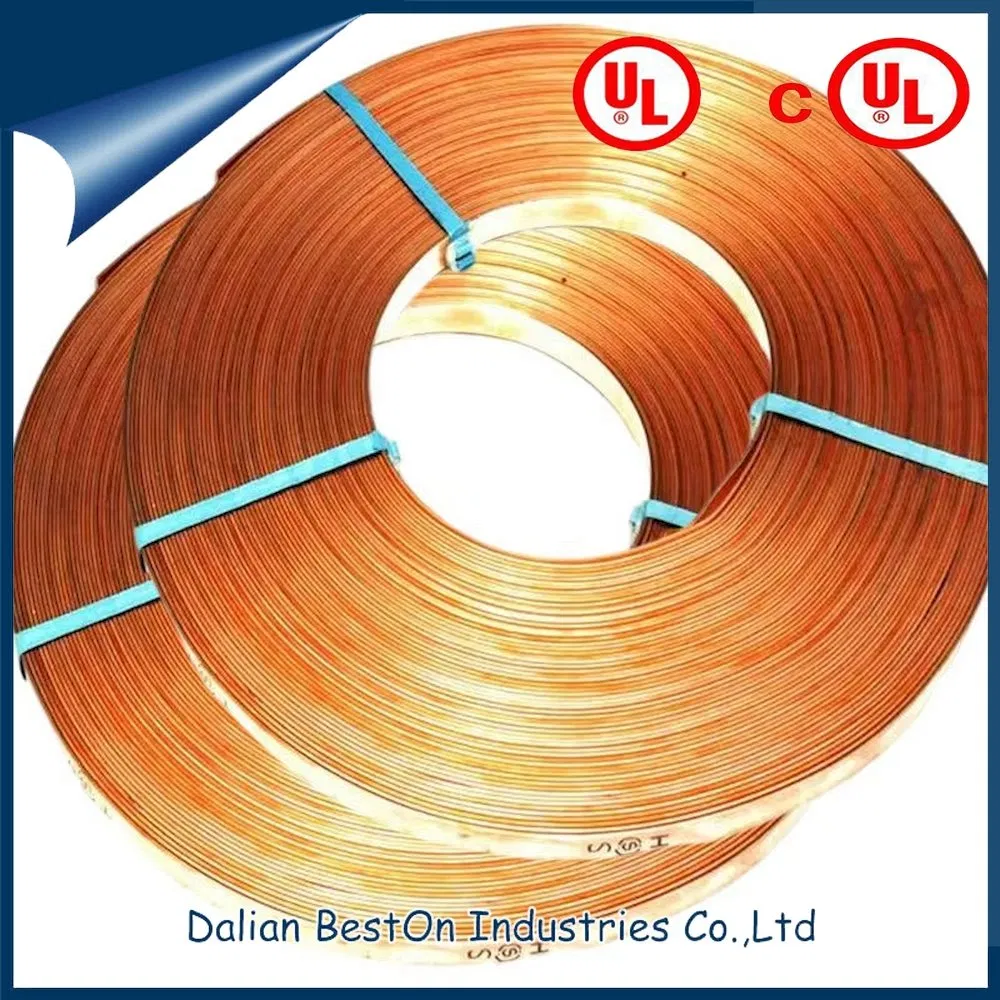
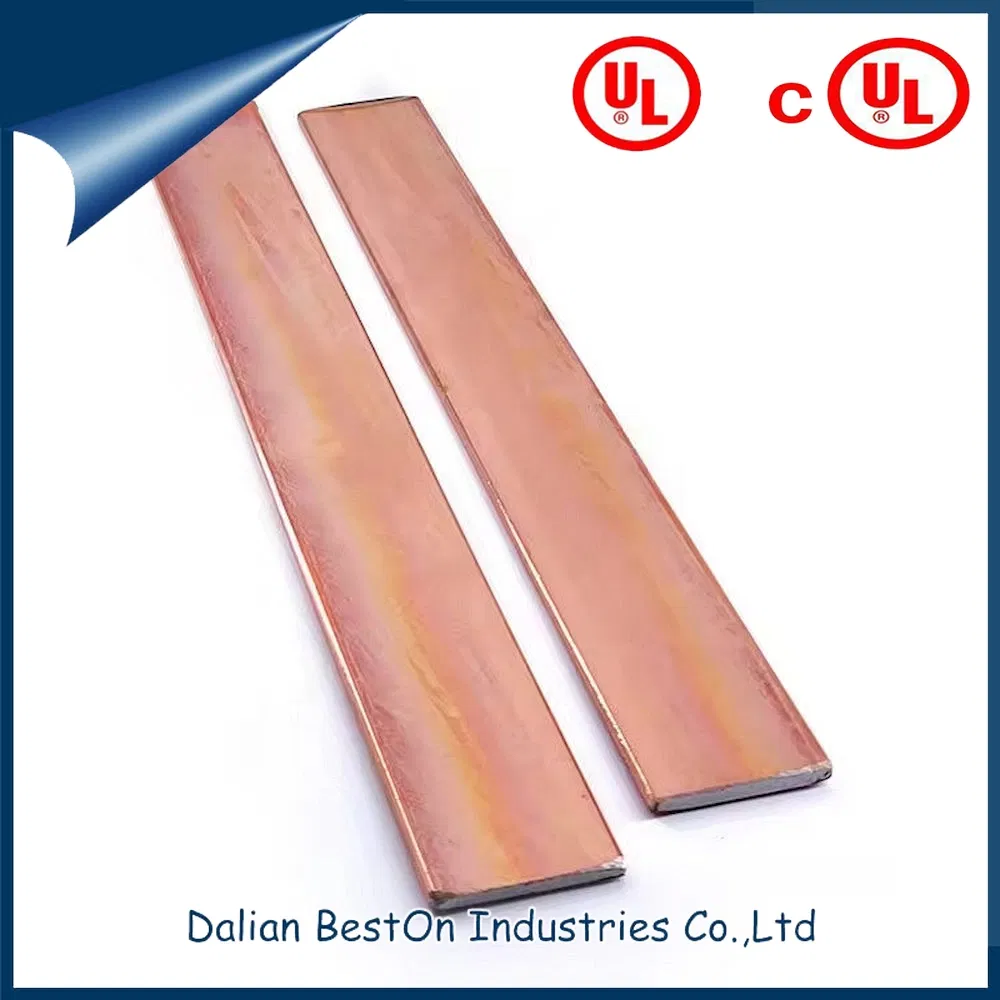
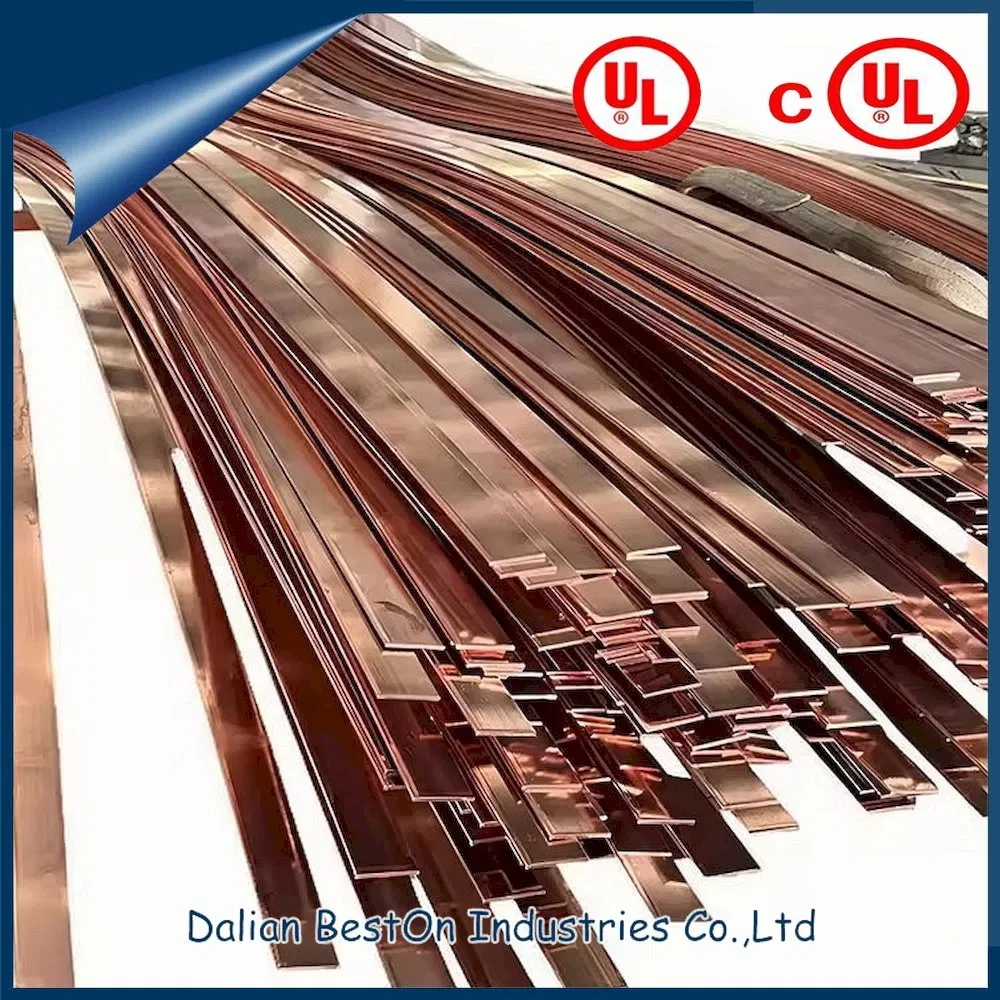
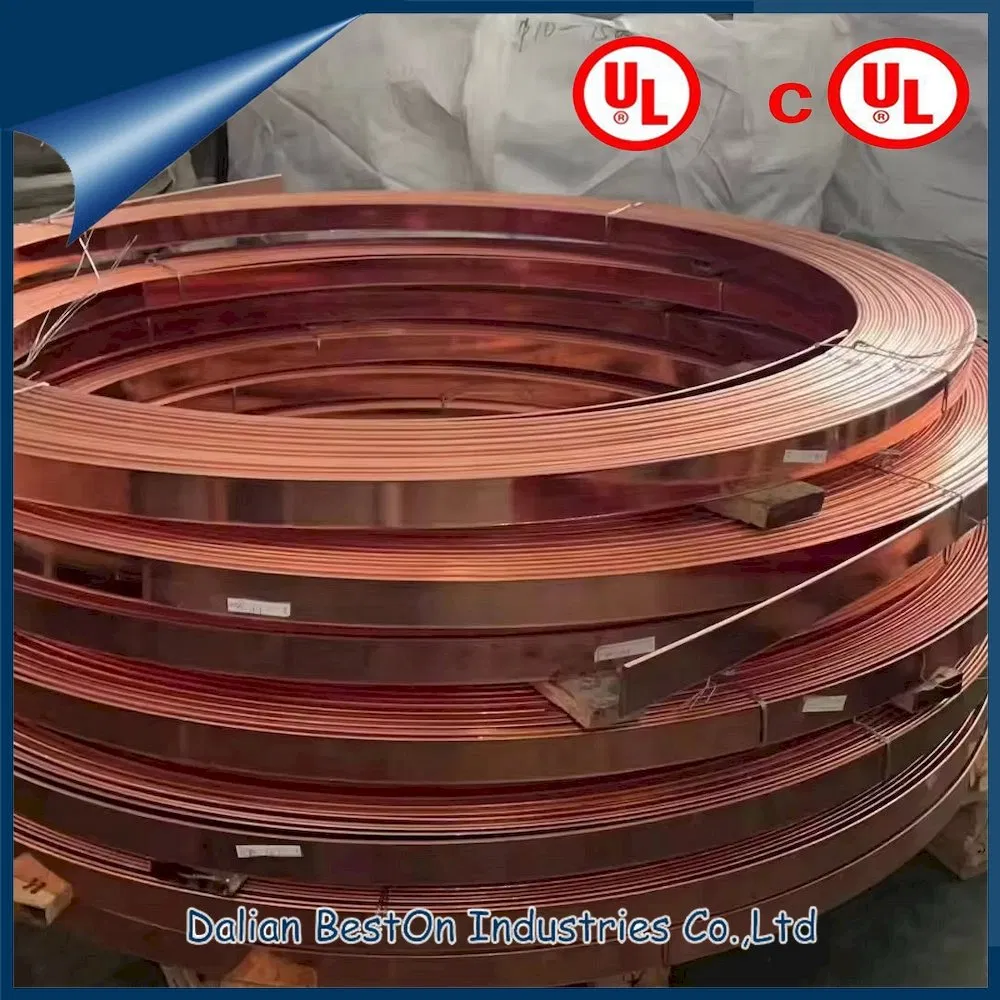
Engineered for buried grounding networks with stable conductivity, strong corrosion resistance, and customizable dimensions.
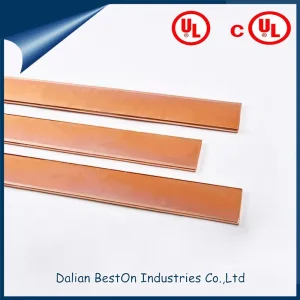
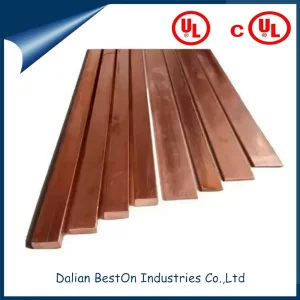
Copper bonded steel grounding flat bar is a grounding conductor designed for buried earthing networks that require reliable conductivity, mechanical strength, and practical cost control. It is commonly used in substations, solar farms, power plants, industrial grounding systems, and rail transit grounding projects. Common dimensions such as 25 x 4 mm, 30 x 5 mm, 40 x 4 mm, and 50 x 5 mm are often considered in project procurement, while custom width, thickness, length, and copper layer options can also be discussed.
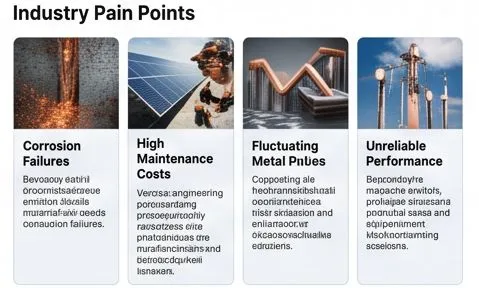
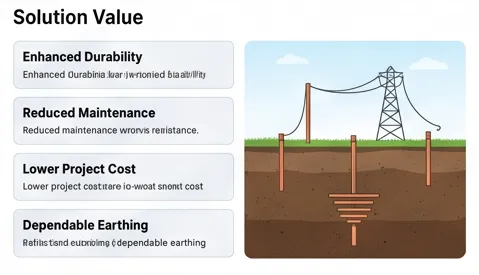
For grounding projects, buyers often need to balance conductivity, buried service life, mechanical strength, and budget. In practice, the challenge is not only choosing a conductor, but choosing one that fits the actual project environment and procurement target.
Copper bonded steel grounding flat bar is often selected in projects where buyers need a practical balance between electrical performance, structural strength, buried durability, and procurement cost. Compared with choosing materials only by conductivity or only by price, this product is more often considered as a project-based grounding solution for medium- and large-scale applications.
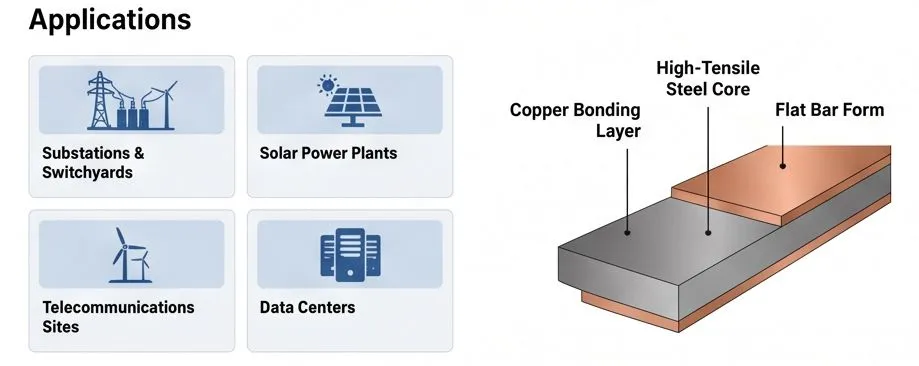
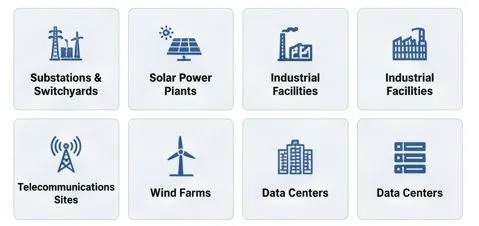
Copper bonded steel grounding flat bar is widely used in projects that require stable conductivity, mechanical strength, and long-term grounding reliability. It is especially suitable for buried grounding networks in power infrastructure, renewable energy systems, industrial facilities, and transportation projects.
Substation grounding projects require grounding conductors with reliable long-term performance, good corrosion resistance, and stable dimensional consistency. Copper bonded steel grounding flat bar is commonly used in buried grounding grids for electrical substations and distribution facilities.
Solar farm earthing systems often cover large installation areas and require grounding materials that balance conductivity, durability, and cost efficiency. Copper bonded steel flat bar is suitable for photovoltaic grounding networks, inverter grounding, and supporting buried earthing layouts.
Power plant grounding systems demand dependable grounding conductors for complex electrical infrastructure and long service life expectations. Copper bonded steel grounding flat bar is often selected for grounding grids, equipment earthing, and power distribution grounding networks.
Industrial grounding systems need conductors that can perform in demanding environments while supporting different installation layouts and project sizes. Copper bonded steel grounding flat bar is widely used in factories, process plants, and industrial grounding grids where cost control and durability both matter.
Rail transit grounding applications require consistent conductor performance for signaling systems, power supply infrastructure, and safety grounding networks. Copper bonded steel flat bar can be used in rail transit grounding layouts where mechanical stability and long-term buried performance are important.
Lightning protection grounding systems require dependable current dissipation paths and durable buried conductors for long-term system stability. Copper bonded steel grounding flat bar is suitable for grounding networks used in industrial lightning protection, building grounding, and infrastructure protection projects.
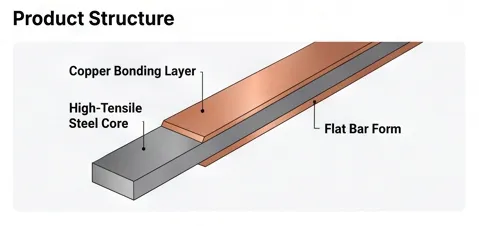
The following specifications show common project dimensions and material options for copper bonded steel grounding flat bar. Custom width, thickness, length, and copper layer requirements can be discussed based on application needs.
| Item | Details |
|---|---|
| Product Name | Copper Bonded Steel Grounding Flat Bar |
| Material | Copper Bonded Steel |
| Product Type | Grounding Flat Bar / Grounding Strip |
| Copper Layer Thickness | Customizable, including project-based options |
| Common Dimensions | 25 x 4 mm, 30 x 3 mm, 30 x 5 mm, 40 x 4 mm, 50 x 5 mm, 50 x 6 mm |
| Width | Customizable |
| Thickness | Customizable |
| Length | Standard and custom lengths available |
| Application | Substation grounding, solar farm earthing, power plant grounding, industrial grounding, rail transit grounding |
| Customization | Width, thickness, length, and copper layer support |
| Packing | Export packing available |
| MOQ / Delivery | Available upon request |
| Comparison Item | Copper Bonded Steel Flat Bar | Pure Copper Strip | Galvanized Steel Strip |
|---|---|---|---|
| Conductivity | Good and stable for most projects | Very high | Lower than copper-based materials |
| Corrosion Resistance | Good for buried grounding | Very good | Moderate, depends on environment |
| Mechanical Strength | Strong | Softer than steel-based materials | Strong |
| Cost Efficiency | Balanced for large project procurement | Higher material cost | Lower initial cost |
| Large Networks Suitability | Yes | Yes, but budget-sensitive | Yes, depending on requirement |
| Customization Flexibility | High width, thickness, copper layer support | Available | Available |
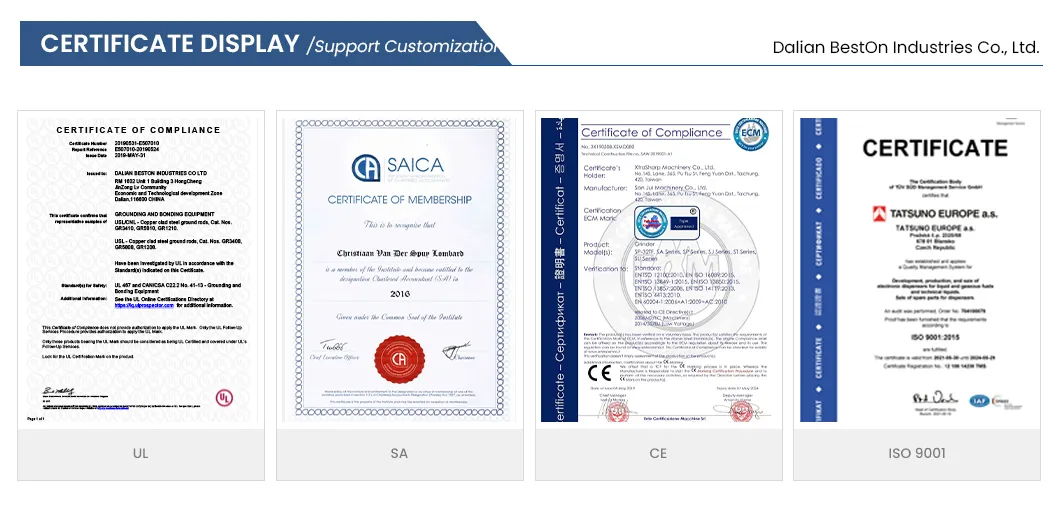
For engineering and export projects, buyers usually pay attention not only to specifications but also to production consistency, inspection support, packing quality, and delivery reliability. Clear manufacturing control and stable quality management are important for grounding material procurement.
يُستخدم شريط التأريض بشكل رئيسي في شبكات التأريض المدفونة، وتأريض محطات التحويل الكهربائية الفرعية، ومزارع الطاقة الشمسية، والمصانع والمنشآت الصناعية، فضلاً عن شبكات الحماية من الصواعق لضمان سلامة الأجهزة وتصريف التيارات الزائدة بفاعلية.
نعم، تتوفر خيارات التخصيص الكاملة للأبعاد بما في ذلك العرض، والسمك، والطول، بالإضافة إلى ضبط سمك طبقة النحاس الخارجية لتتوافق بدقة مع متطلبات المشاريع الهندسية الخاصة بكم.
الأبعاد الأكثر شيوعاً واستخداماً تشمل: 25 × 4 مم، 30 × 3 مم، 30 × 5 مم، 40 × 4 مم، 50 × 5 مم، و50 × 6 مم. ويمكن الاتفاق على مقاسات أخرى مخصصة بناءً على طلبات التوريد.
يتميز النحاس النقي بتوصيلية عالية جداً ولكنه مرتفع التكلفة وأقل صلابة ميكانيكية. بينما يوفر الشريط الفولاذي المربوط بالنحاس حلاً متوازناً للغاية؛ حيث يقدم صلابة ميكانيكية ممتازة بسبب قلب الفولاذ، مع مقاومة عالية للتآكل وتوصيلية مستقرة بفضل طبقة النحاس، وتكلفة اقتصادية ملائمة للمشاريع الكبيرة.
نعم تماماً، تم تصميم المنتج ليتحمل الظروف البيئية القاسية للتربة المدفونة، حيث تضمن طبقة النحاس المترابطة حماية طويلة الأمد ضد التآكل والصدأ الناجم عن الرطوبة والأملاح الأرضية.
للحصول على عرض سعر دقيق وسريع، يرجى تزويدنا بالمواصفات الفنية المطلوبة، والأبعاد التقديرية، والكمية، بالإضافة إلى بيئة التركيب (مثل مزارع شمسية، أو محطات طاقة)، وسيقوم فريق الدعم الفني بتقديم التوصيات المناسبة لكم.
For a faster quotation and more accurate recommendation, please share your required dimensions, estimated quantity, project type, and application details. If your project needs custom width, thickness, copper layer, or matching grounding accessories, these can also be discussed together.