الطاقة الشمسية
1 / 5
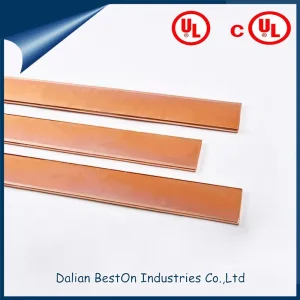
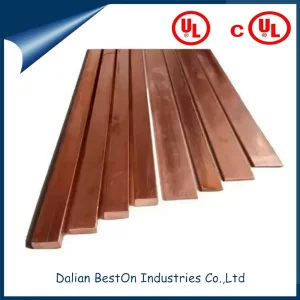
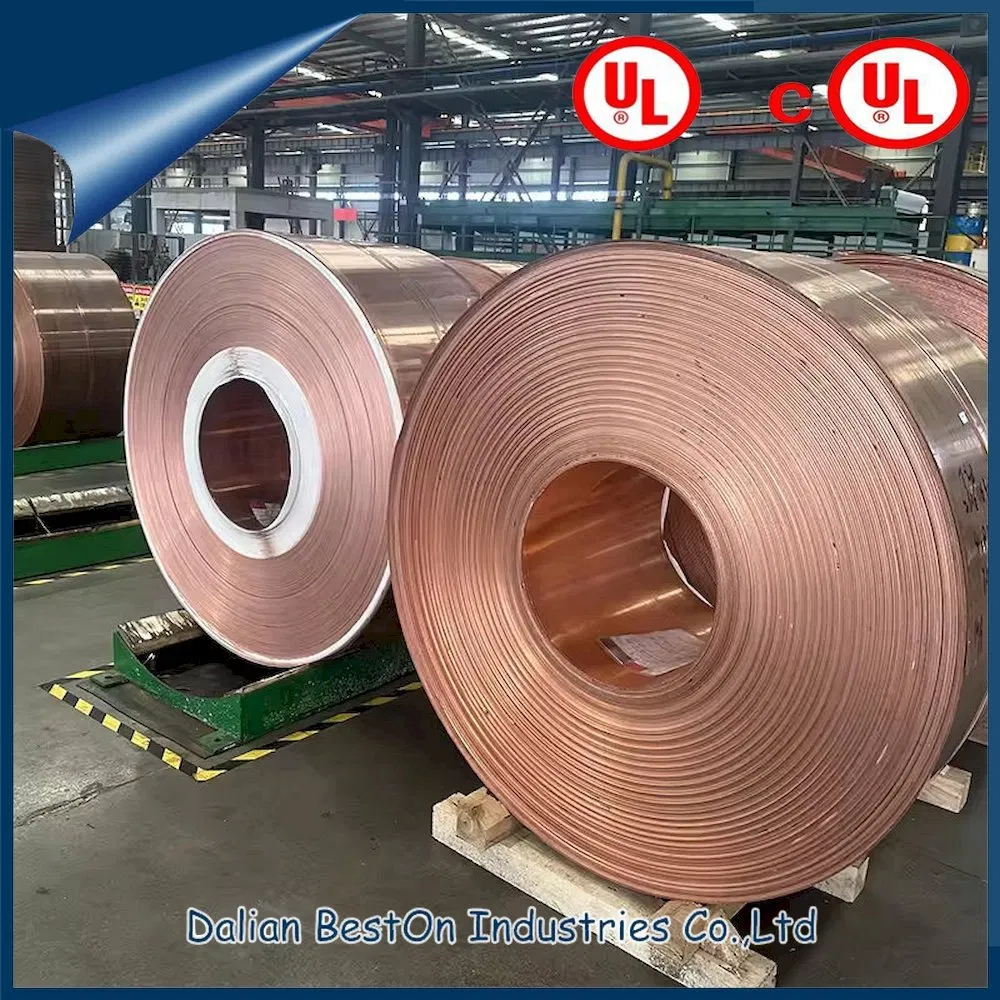
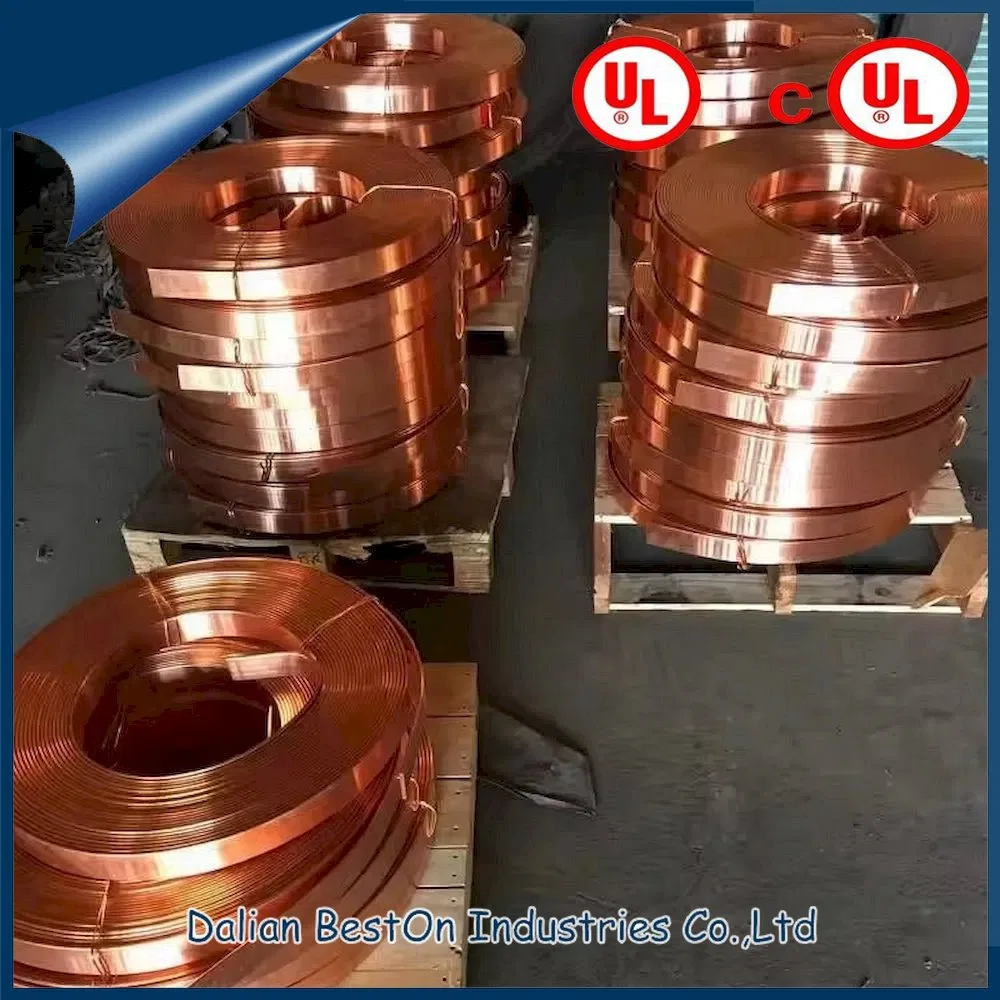
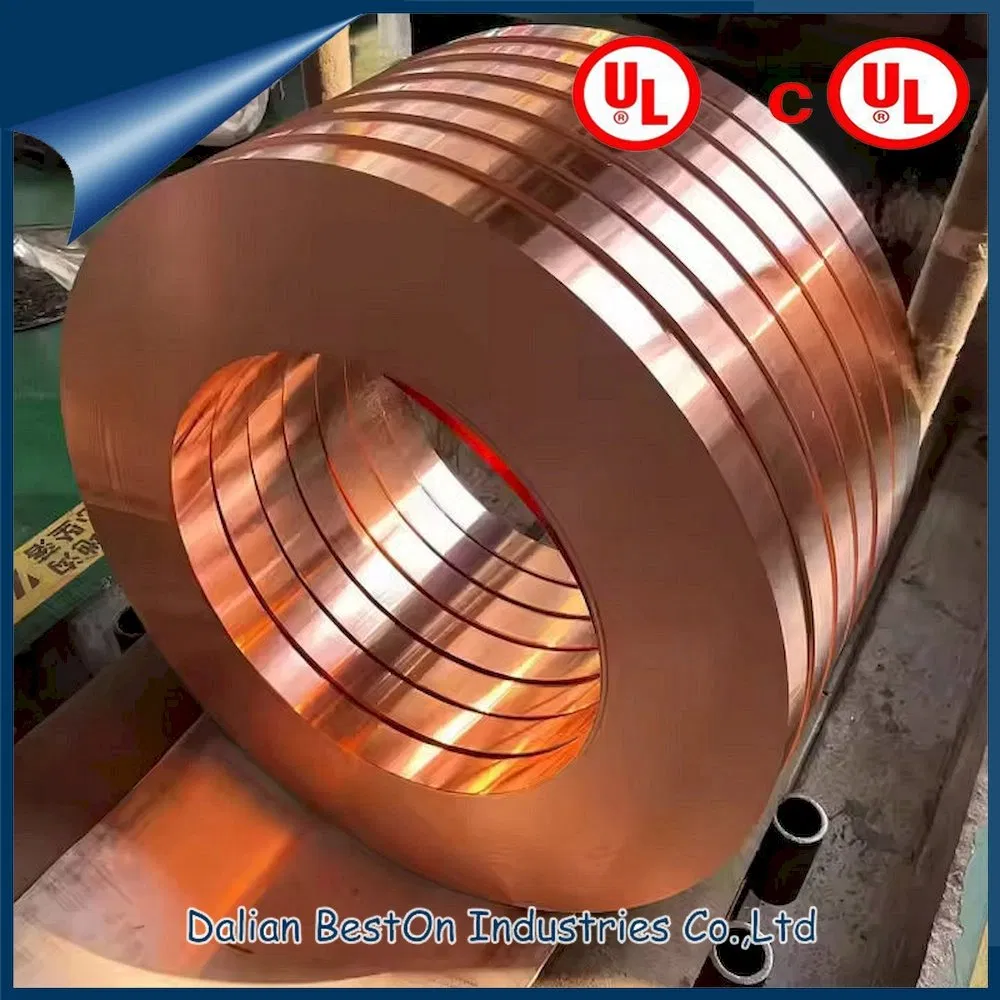
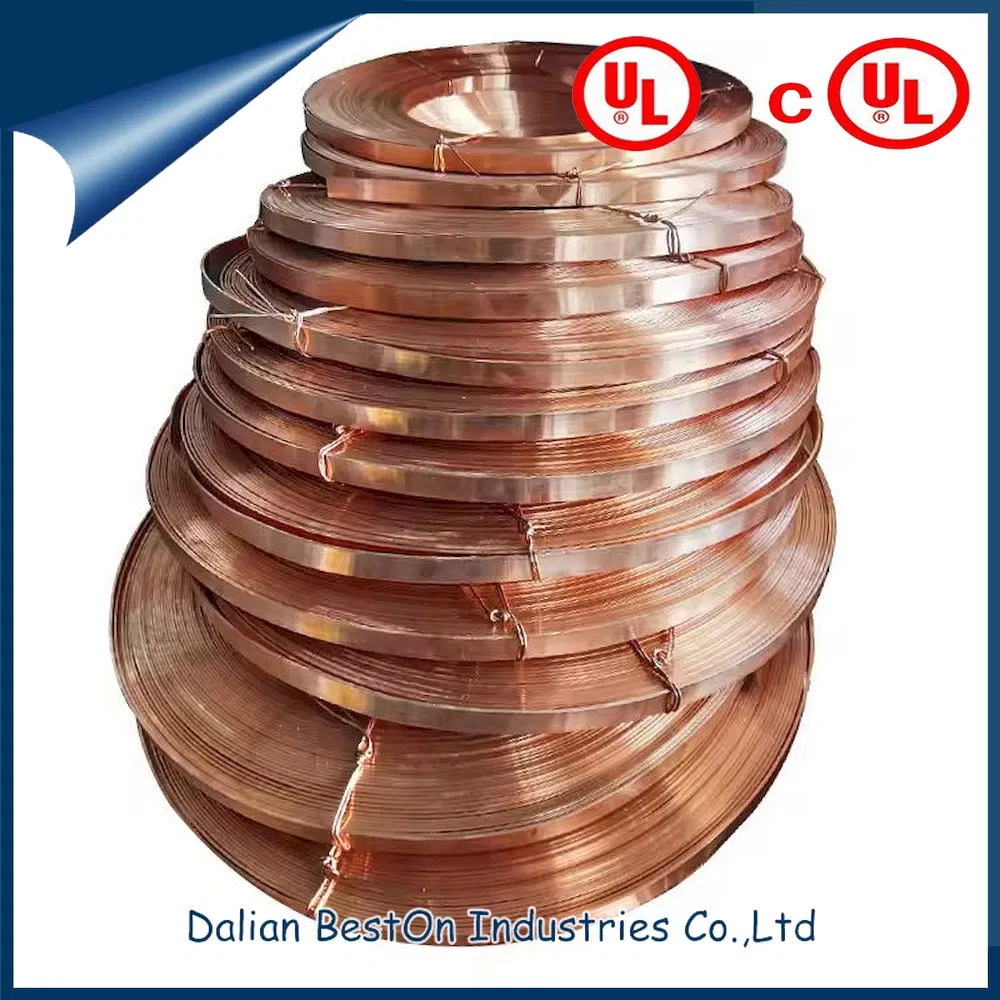
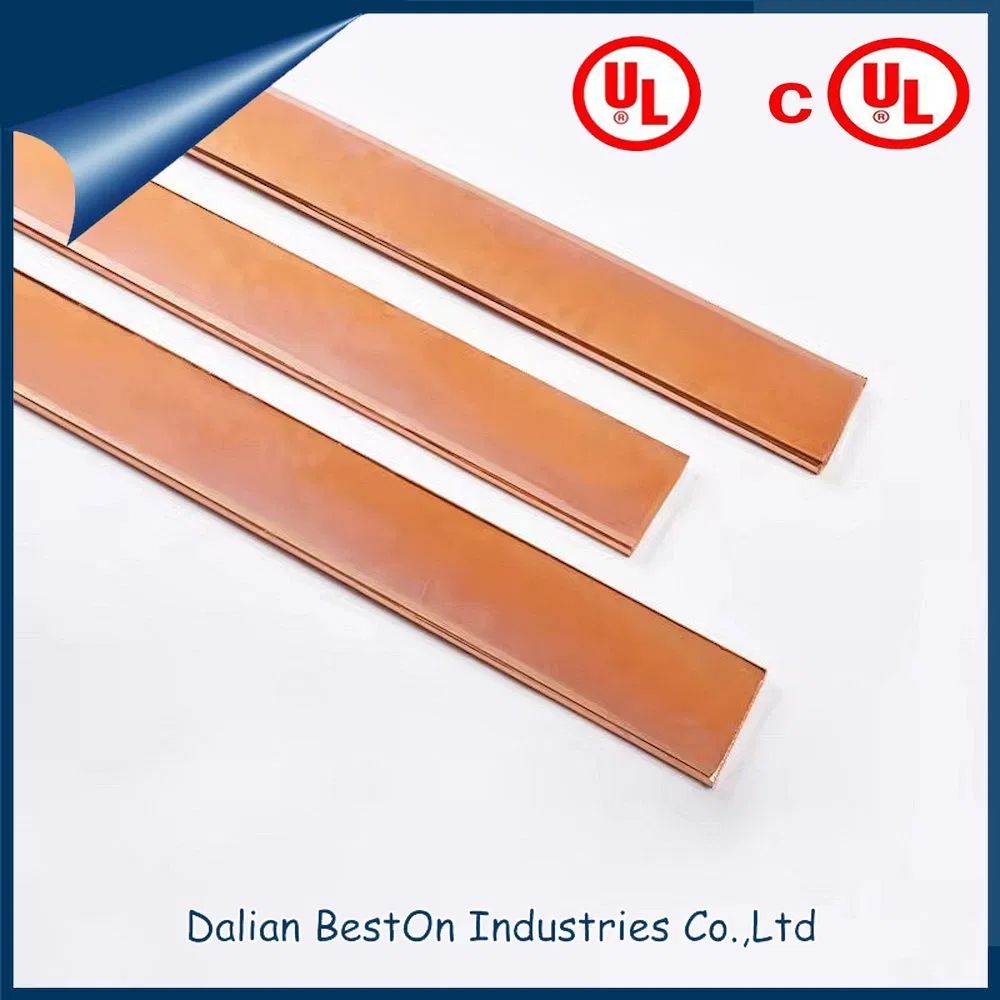
COPPER BONDED STEEL GROUNDING FLAT BAR FOR SUBSTATION, SOLAR FARM, AND INDUSTRIAL EARTHING
Engineered for buried grounding networks with stable conductivity, strong corrosion resistance, and customizable dimensions.
QUICK OVERVIEW OF COPPER BONDED STEEL GROUNDING FLAT BAR
Copper bonded steel grounding flat bar is a grounding conductor designed for buried earthing networks that require reliable conductivity, mechanical strength, and practical cost control. It is commonly used in substations, solar farms, power plants, industrial grounding systems, and rail transit grounding projects. Common dimensions such as 25 x 4 mm, 30 x 5 mm, 40 x 4 mm, and 50 x 5 mm are often considered in project procurement, while custom width, thickness, length, and copper layer options can also be discussed.
COMMON CHALLENGES IN GROUNDING MATERIAL PROCUREMENT
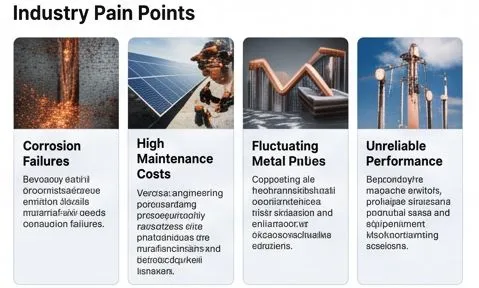
For grounding projects, buyers often need to balance conductivity, buried service life, mechanical strength, and budget. In practice, the challenge is not only choosing a conductor, but choosing one that fits the actual project environment and procurement target.
WHY COPPER BONDED STEEL GROUNDING FLAT BAR IS A PRACTICAL PROJECT SOLUTION
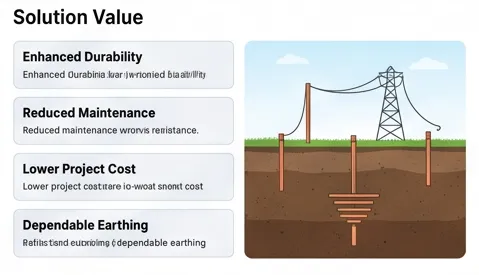
Copper bonded steel grounding flat bar is often selected in projects where buyers need a practical balance between electrical performance, structural strength, buried durability, and procurement cost. Compared with choosing materials only by conductivity or only by price, this product is more often considered as a project-based grounding solution for medium- and large-scale applications.
TYPICAL APPLICATIONS OF COPPER BONDED STEEL GROUNDING FLAT BAR
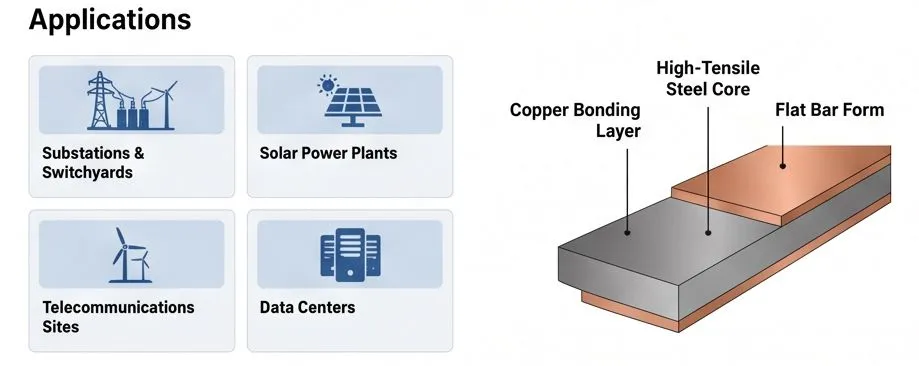
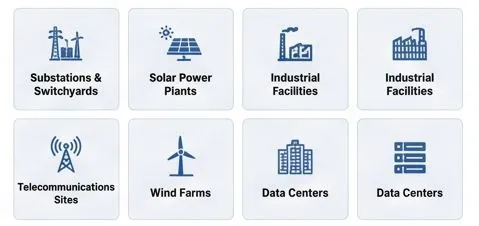
Copper bonded steel grounding flat bar is widely used in projects that require stable conductivity, mechanical strength, and long-term grounding reliability. It is especially suitable for buried grounding networks in power infrastructure, renewable energy systems, industrial facilities, and transportation projects.
Substation Grounding
Substation grounding projects require grounding conductors with reliable long-term performance, good corrosion resistance, and stable dimensional consistency. Copper bonded steel grounding flat bar is commonly used in buried grounding grids for electrical substations and distribution facilities.
Solar Farm Earthing
Solar farm earthing systems often cover large installation areas and require grounding materials that balance conductivity, durability, and cost efficiency. Copper bonded steel flat bar is suitable for photovoltaic grounding networks, inverter grounding, and supporting buried earthing layouts.
Power Plant Grounding
Power plant grounding systems demand dependable grounding conductors for complex electrical infrastructure and long service life expectations. Copper bonded steel grounding flat bar is often selected for grounding grids, equipment earthing, and power distribution grounding networks.
Industrial Grounding Systems
Industrial grounding systems need conductors that can perform in demanding environments while supporting different installation layouts and project sizes. Copper bonded steel grounding flat bar is widely used in factories, process plants, and industrial grounding grids where cost control and durability both matter.
Rail Transit Grounding
Rail transit grounding applications require consistent conductor performance for signaling systems, power supply infrastructure, and safety grounding networks. Copper bonded steel flat bar can be used in rail transit grounding layouts where mechanical stability and long-term buried performance are important.
Lightning Protection Grounding
Lightning protection grounding systems require dependable current dissipation paths and durable buried conductors for long-term system stability. Copper bonded steel grounding flat bar is suitable for grounding networks used in industrial lightning protection, building grounding, and infrastructure protection projects.
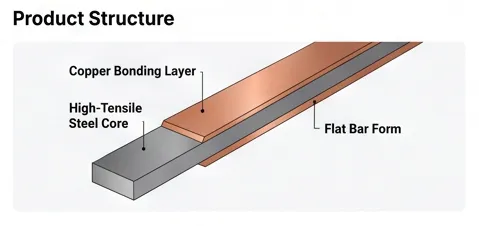
COPPER BONDED STEEL STRUCTURE AND GROUNDING PERFORMANCE
Copper bonded steel grounding flat bar combines the conductivity advantage of copper-based grounding material with the structural strength of steel. This material structure makes it suitable for buried grounding systems where buyers need both electrical grounding performance and practical mechanical support in project installation.
TECHNICAL SPECIFICATIONS OF COPPER BONDED STEEL GROUNDING FLAT BAR
The following specifications show common project dimensions and material options for copper bonded steel grounding flat bar. Custom width, thickness, length, and copper layer requirements can be discussed based on application needs.
| Item | Details |
|---|---|
| Product Name | Copper Bonded Steel Grounding Flat Bar |
| Material | Copper Bonded Steel |
| Product Type | Grounding Flat Bar / Grounding Strip |
| Copper Layer Thickness | Customizable, including project-based options |
| Common Dimensions | 25 x 4 mm, 30 x 3 mm, 30 x 5 mm, 40 x 4 mm, 50 x 5 mm, 50 x 6 mm |
| Width | Customizable |
| Thickness | Customizable |
| Length | Standard and custom lengths available |
| Application | Substation grounding, solar farm earthing, power plant grounding, industrial grounding, rail transit grounding |
| Customization | Width, thickness, length, and copper layer support |
| Packing | Export packing available |
| MOQ / Delivery | Available upon request |
WHY CHOOSE COPPER BONDED STEEL GROUNDING FLAT BAR FOR GROUNDING PROJECTS
Different grounding projects require different material priorities. Some buyers focus on conductivity, some focus on cost control, and others need a better balance between durability, mechanical strength, and buried service life. Copper bonded steel grounding flat bar is often selected when projects require a practical balance between electrical performance and total project cost.
| Comparison Item | Copper Bonded Steel Grounding Flat Bar | Pure Copper Grounding Strip | Galvanized Steel Grounding Strip |
|---|---|---|---|
| Conductivity | Good and stable for most grounding projects | Very high | Lower than copper-based materials |
| Corrosion Resistance | Good for buried grounding applications | Very good | Moderate, depends on environment |
| Mechanical Strength | Strong | Softer than steel-based materials | Strong |
| Cost Efficiency | Balanced for large project procurement | Higher material cost | Lower initial cost |
| Suitable for Large Networks | Yes | Yes, but budget-sensitive | Yes, depending on project requirement |
| Buried Service Performance | Good balance of durability and cost | Good | May require more environment-based evaluation |
| Customization Flexibility | Width, thickness, length, and copper layer support | Available | Available |
| Typical Buyer Preference | Cost-performance balance | Maximum conductivity priority | Lower budget projects |
HOW TO CHOOSE COPPER BONDED STEEL GROUNDING FLAT BAR FOR YOUR PROJECT
Selecting the right copper bonded steel grounding flat bar depends on project type, grounding layout, installation environment, and required dimensions. Buyers usually compare width, thickness, copper layer options, and application conditions before confirming the most suitable specification.
In practical procurement, buyers usually do not select a grounding flat bar by dimension alone. A suitable choice is normally based on project application, installation environment, grounding layout, and expected service performance.
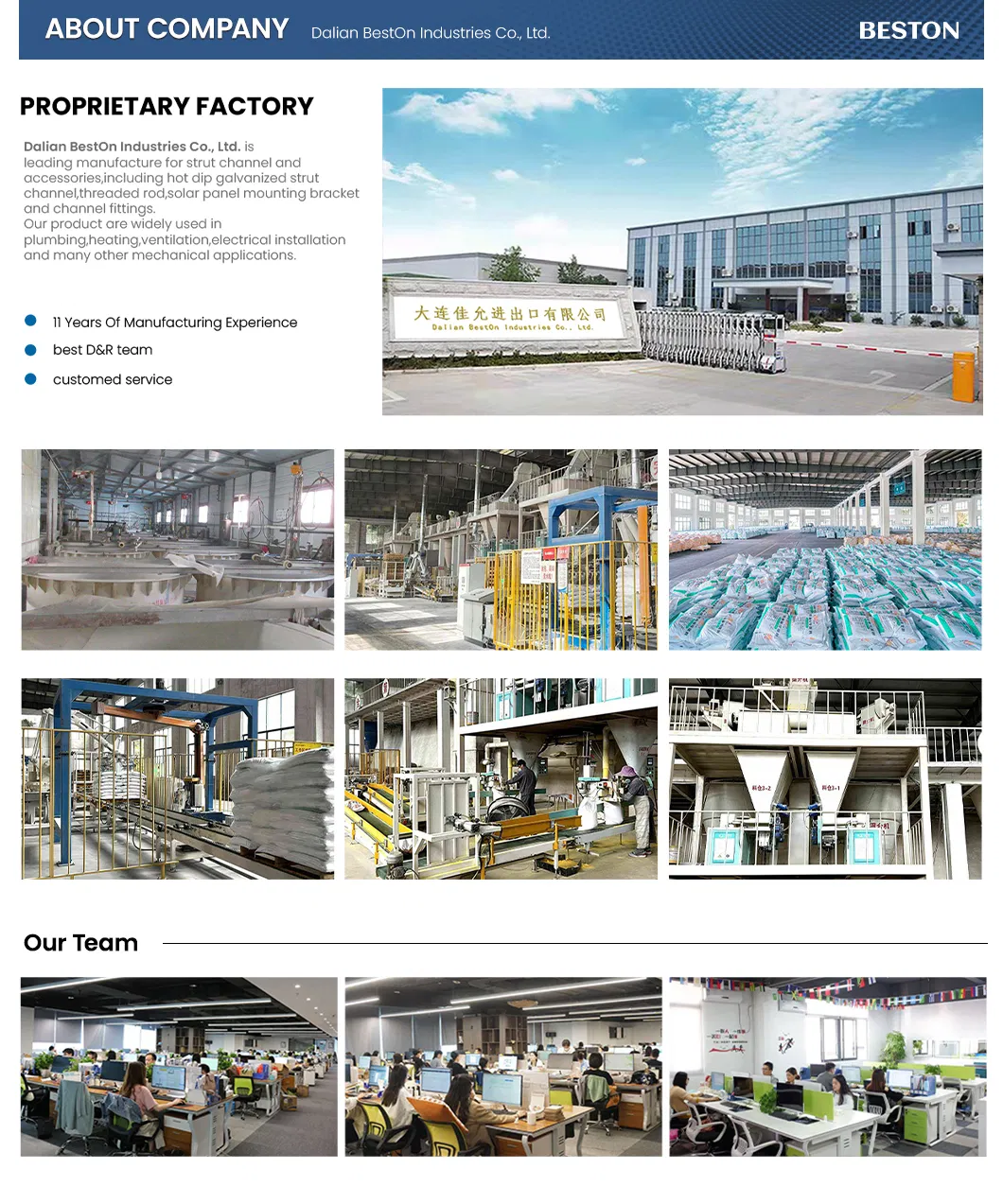
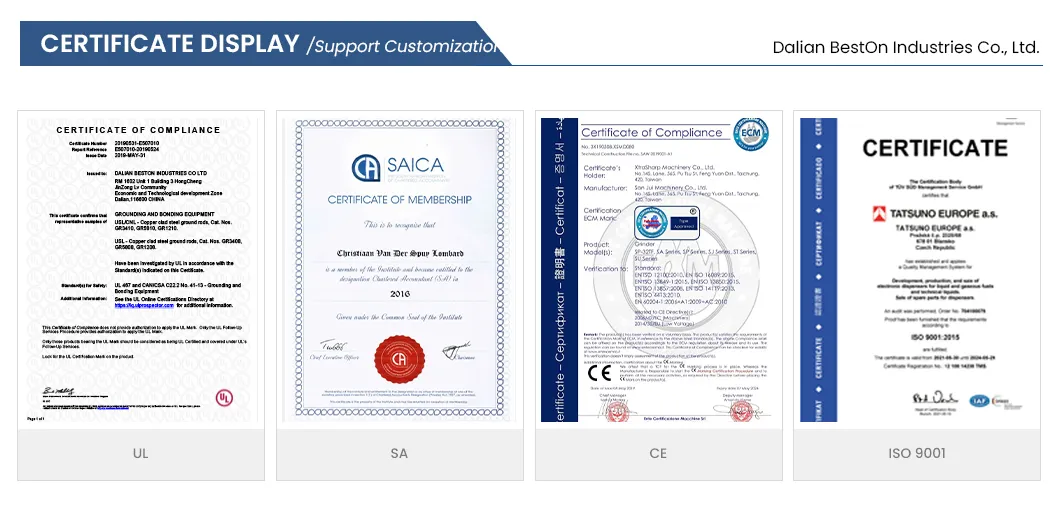
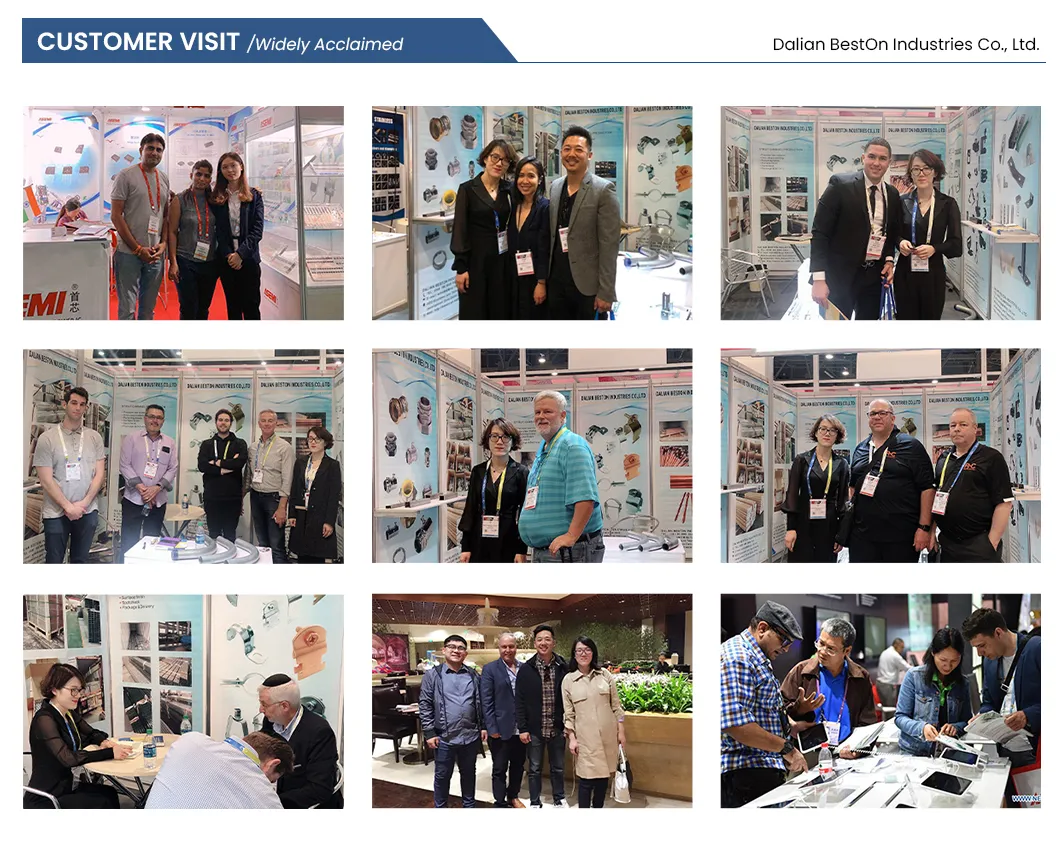
MANUFACTURING AND QUALITY CONTROL FOR COPPER BONDED STEEL GROUNDING FLAT BAR
For engineering and export projects, buyers usually pay attention not only to specifications but also to production consistency, inspection support, packing quality, and delivery reliability. Clear manufacturing control and stable quality management are important for grounding material procurement.
SEND YOUR REQUIRED SIZE AND GET A FASTER QUOTATION
For a faster quotation and more accurate recommendation, buyers are welcome to send required dimensions, estimated quantity, project type, and application details. If your project needs custom width, thickness, copper layer, or matching grounding accessories, these can also be discussed together.
Support Note: Custom dimensions, export packing, and project-based grounding support can be discussed according to actual order needs.
Looking for copper bonded steel grounding flat bar for your next grounding project? Send your required size, application, or destination market for quotation and recommendation.